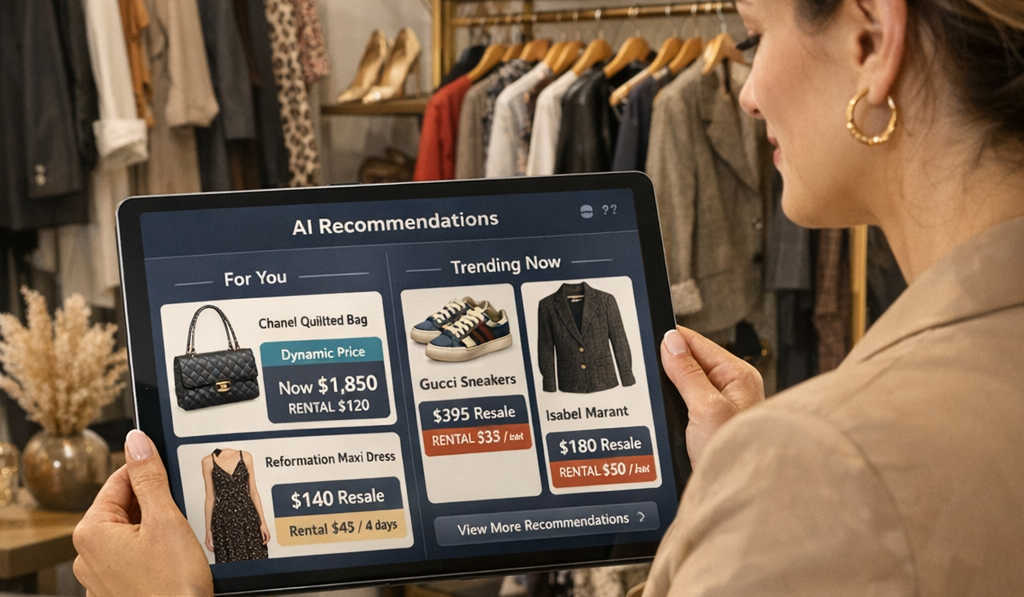
#Personalization
#fashiontrend
AthleticWear
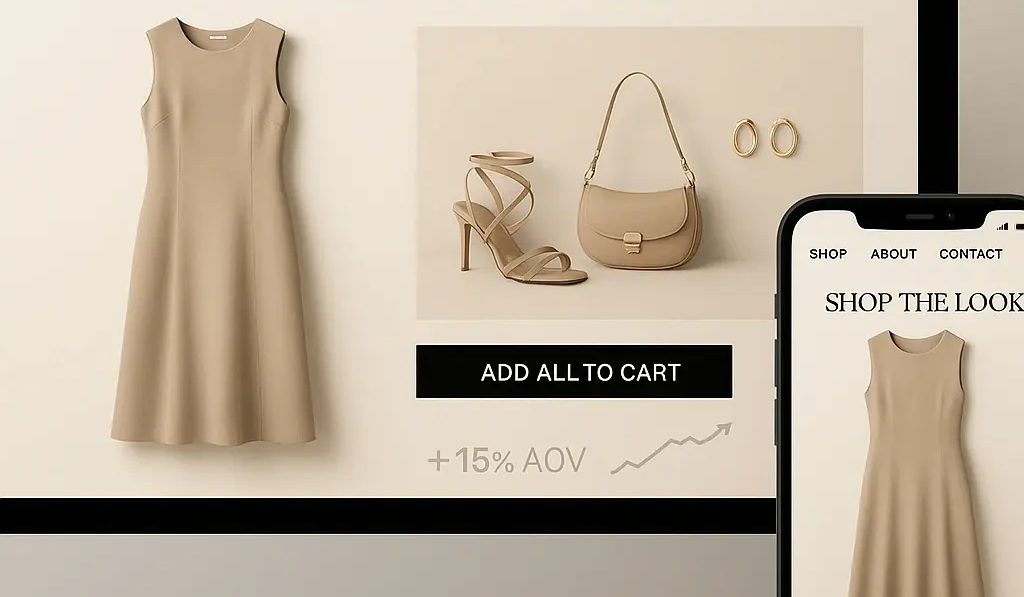

How fashion brands use outfit completion and Shop the Look to raise AOV, conversion, and retention.
Fashion shoppers rarely buy in isolation—they buy a look, a mood, an occasion. That’s why “Shop the Look” and outfit completion consistently lift average order value (AOV), conversion, and retention when executed with fashion-grade attributes and tasteful UX.
Rather than pushing generic cross-sells, the engine should understand silhouettes, palettes, fabrics, and occasions so complementary items feel obvious, not pushy. Think bias-cut satin dress paired with strappy metallic sandals and a small box clutch—not just “more dresses.”
When recommendations are style-coherent and size-aware, customers gain confidence that the full outfit will fit their body and their aesthetic, which reduces bracketing and second-guessing.
Mobile and social behavior make this even more powerful. Inspiration often starts on Instagram, TikTok, or creators’ lookbooks, where the complete outfit is the hero. Brands that replicate that experience on PDPs and in-app feeds convert “vibe” into baskets.
Industry primers outline how visual discovery and style alignment shape modern fashion journeys; for context, see Shopify and a trend-signal explainer from Heuritech. Macro insights from the BoF x McKinsey State of Fashion highlight how social-led discovery and mobile-native cohorts elevate visual outfitting. Outfit completion also strengthens lifetime value (LTV).
When customers discover how to wear a piece in multiple contexts (“work to weekend”), returns drop and repeat visits rise.
For luxury and contemporary segments, coherent outfitting preserves brand aesthetics while gently expanding basket breadth with accessories and tailoring-friendly layers.
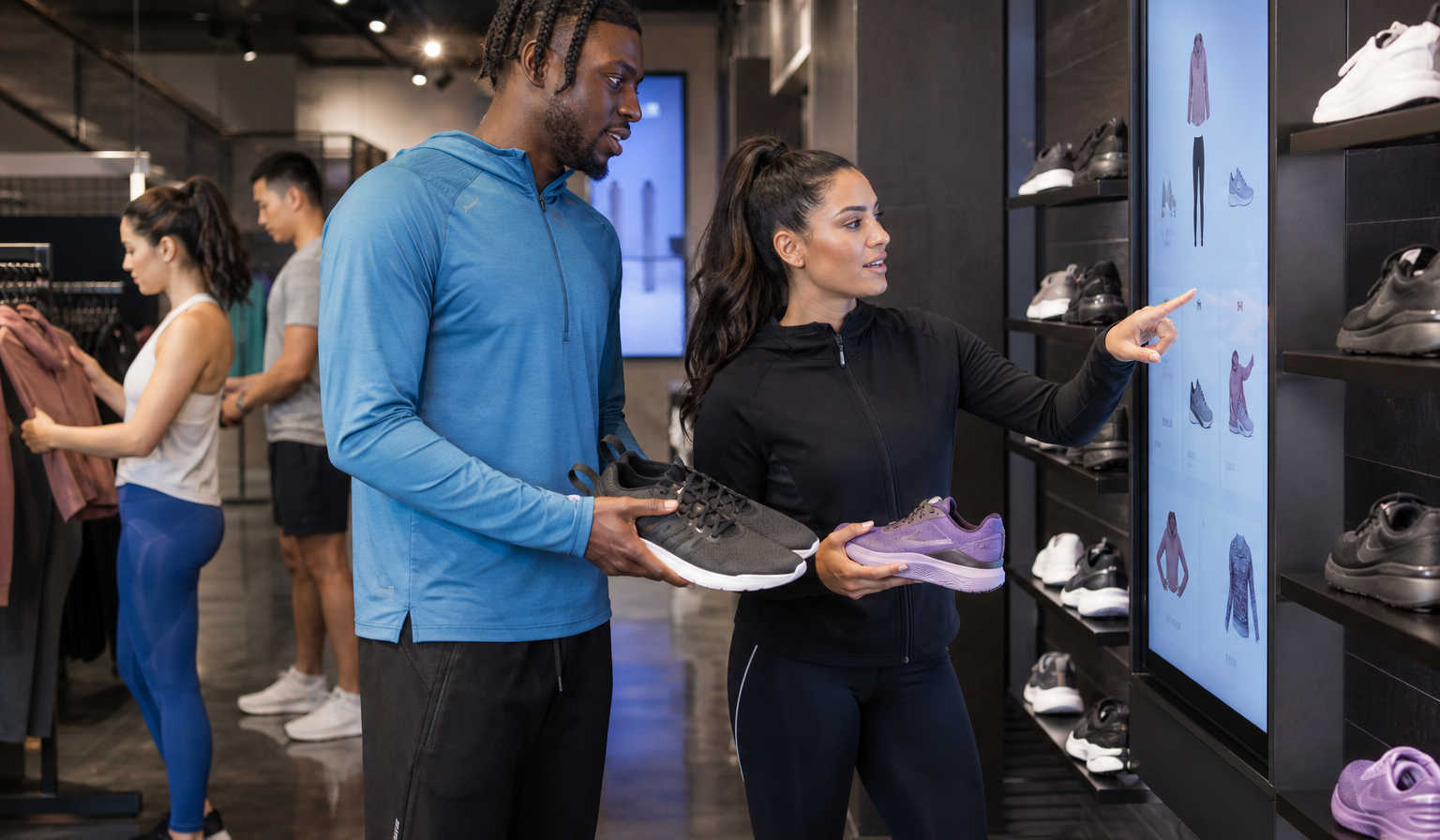
For athletic and streetwear, the system can lean into capsule logic (hoodie + pants + sneakers + cap) and seasonality (festival, back‑to‑school).
Great outfitting is 80% data and 20% taste. Start by building a fashion attribute spine that merchandisers trust: silhouettes (A‑line, bias, bodycon), lengths, rises, necklines, sleeve types, toe/heel shapes, fabric composition and stretch, pattern families, and palette.
These attributes power both retrieval (what’s “similar/complementary”) and explanation (“paired for color harmony and strap style”).
Make sure footwear and accessories carry the same attribute richness so the engine can match strap width to bag hardware tone or heel height to dress length.
UX patterns that work:
• PDP strip that proposes a complete look (2–4 items) with clear reasons (“same satin finish,” “balanced proportions”).
• Tap-to-swap chips on each accessory (“wider strap,” “lower heel,” “silver hardware”).
• Outfit cards in a personalized style feed on mobile, not just at the PDP—discovery, not only add‑ons.
• Size/fit intelligence inline: show the recommended size for each proposed item to reduce bracketing.
• Occasion and budget pivots: “wedding guest,” “office,” “under $250.” Merchandising tactics:
• Prebuild curated looks for key capsules and campaigns; let AI fill gaps and localize.
• Respect brand guardrails—silhouette coherence and material quality thresholds for luxury.
• Stock awareness: prioritize in‑stock variants and avoid suggesting scarce sizes for core items.
• Creative ops: shoot hero pieces with 2–3 accessory alternates to expand the recommendation palette without extra sessions. For fashion e‑commerce realities and why attribute depth matters, see Shopify.
Trend-sensing vendors illustrate how visual signals map to demand, informing both buy plans and on-site discovery; see Heuritech.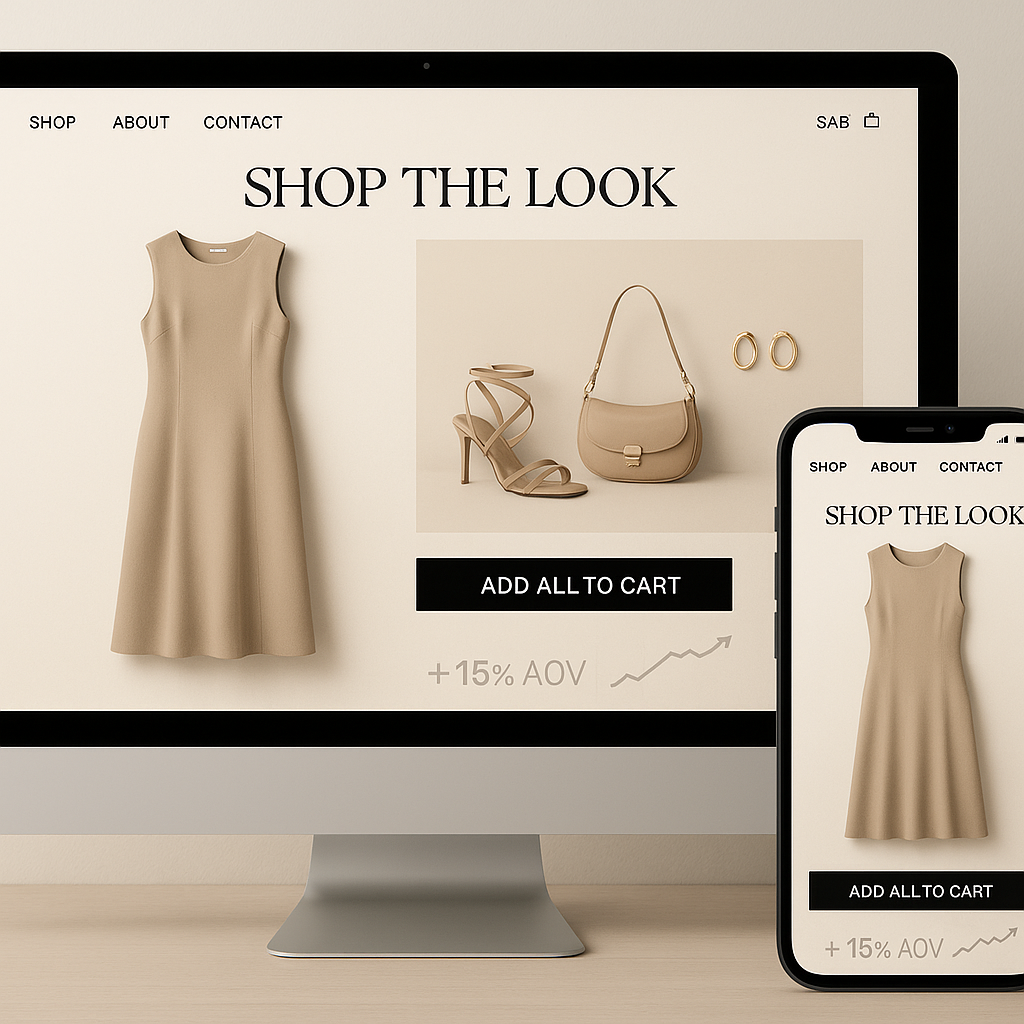
To prove outfitting pays, set the scoreboard before shipping. Outcome KPIs: attach rate of outfit components, AOV and UPT (units per transaction) lift, conversion rate delta from PDPs with outfit strips, and returns reduction on outfitted orders vs. baseline. Segment by category (dresses, denim, sneakers) and by segment (luxury vs. contemporary) because economics differ.
Experiment design:
• Roll out behind feature flags, starting with social‑led traffic cohorts and mobile.
• Use randomized control at session or user level where feasible; otherwise matched cohorts with pre‑registered stop‑loss thresholds.
• Attribute at the journey node: “PDP outfit strip → PDP views per session → add‑to‑cart → basket breadth.” Operational rails:
• Freshness SLAs so new drops gain outfit coverage within hours.
• Observability from event to action; monitor latency (<300 ms P95) for outfit retrieval, image decode time, and error rates. A leader‑friendly primer on why this matters: Splunk.
• Reliability via progressive delivery—feature flags, blue/green, canary—to limit blast radius; see HashiCorp.
Tie outfitting to lifecycle. Use post‑purchase “wear it three ways” content to reduce change‑of‑mind returns and trigger replenishment. For macro fashion context, keep an eye on the McKinsey State of Fashion. Done right, Shop the Look turns inspiration into confident baskets—raising AOV without discounting.