How AFL brands wire PLM into headless commerce and AI CX to ship faster and personalize smarter.
Why AFL brands need PLM-to-storefront wiring for headless commerce and AI CX
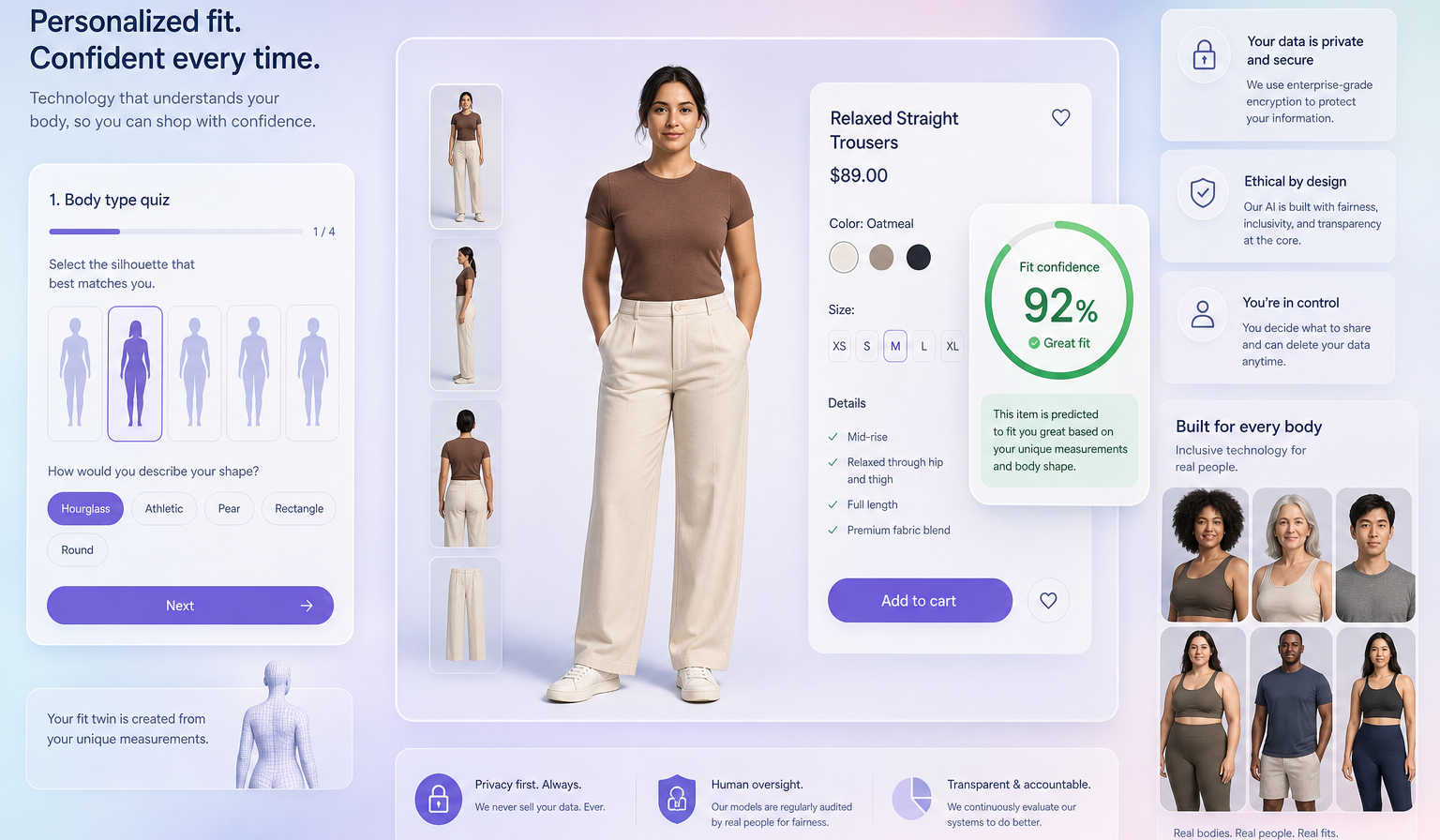
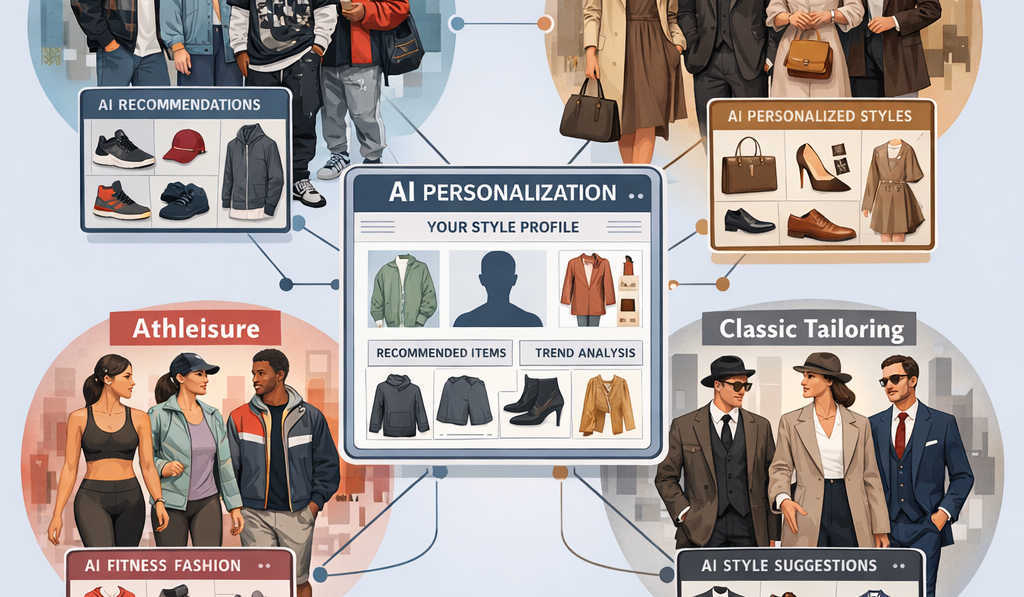
In apparel, footwear, and luxury, the biggest personalization breakthroughs rarely start with algorithms—they start with product data. If your PLM, PIM, ecommerce platform, and AI stack don’t share a single, fashion‑grade view of each style, even the most advanced model will behave like a blunt recommender: “black dress, size 40” rather than “bias‑cut satin midi with column silhouette and quiet‑luxury palette, cut on the same block as a piece the shopper already loves.” That’s why so many headless or Shopify Plus replatforms initially disappoint AFL brands. The front end gets faster and prettier, but because PLM isn’t truly wired into the storefront, attributes arrive late, inconsistent, or incomplete—and any AI layer sitting on top ends up guessing. The stakes are rising. As platforms like Centra, Medusa, and composable Shopify ecosystems normalize API‑first commerce, the brands that win are the ones that treat PLM‑to‑storefront integration as a strategic capability, not a one‑off project. Computools’ recent work with a global apparel retailer shows how connecting fashion PLM systems tightly to ecommerce and merchandising flows can reduce time‑to‑market, cut returns caused by inaccurate product data, and unlock AI‑driven forecasting and sustainability initiatives (Computools). At the same time, MapleSage’s own headless fashion commerce blog demonstrates that headless only “wins” when PLM and PIM feed a clean product spine into the storefront and any AI layer sitting on top (MapleSage). For MapleSage’s AFL ICPs—Fashion CTOs, Ecommerce Directors, Fashion CMOs, and Merchandising VPs—the payoff of getting this right is clear. Design‑room decisions, from block choice to palette, can appear accurately in PDPs within hours, not weeks. Merchandisers can trust filters that reflect silhouettes, rises, and heel shapes instead of improvised tags. AI engines like SageRetail can finally treat product data as a graph of styles, fits, and use cases rather than a flat list of SKUs. This post walks through how to design that PLM‑to‑storefront spine, how to run it safely in a modern, composable tech stack, and how to measure its impact on conversion, returns, and margin for apparel, footwear, and luxury brands.
Designing a PLM-to-storefront data spine for fashion ecommerce and AI personalization
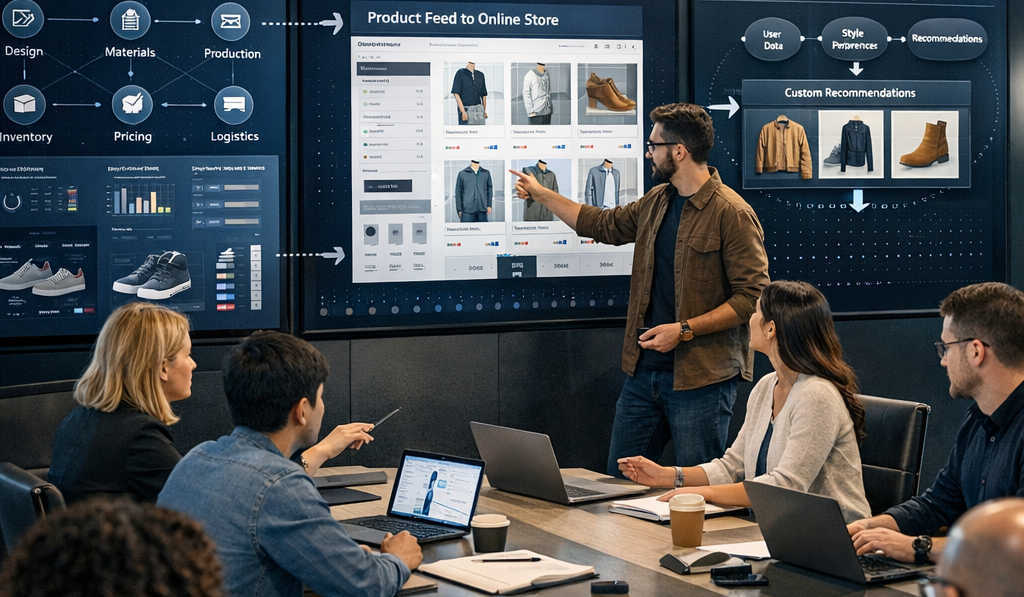
In most AFL brands, the product story falls apart somewhere between the design room and the product detail page. Technical specs live in PLM; marketing copy lives in a CMS; regional size curves and price points are buried in spreadsheets; enrichment teams spend nights reconciling incomplete data just to keep assortment changes flowing. When the business decides to go headless—whether on Shopify Plus, Centra, Medusa, or a custom stack—the cracks widen. Front ends move faster, but the product spine underneath remains brittle. The result is familiar: mismatched variant images, missing attributes, style filters that don’t reflect how shoppers think, and AI “personalization” that can only see color and size. A PLM-to-storefront data spine fixes that by treating PLM, PIM, ecommerce, and AI engines as one continuous system, not a set of point integrations. A solid blueprint starts with agreeing what “product truth” actually means in your context. For apparel and footwear, that usually includes silhouettes, lengths and rises, neckline and sleeve shapes, fabrics and stretch %, palette families, last and heel shapes, climate tags, sustainability attributes, and regional size systems. PLM vendors like Centric and Lectra already model much of this for design and development; Computools’ integration work with global fashion retailers shows how that truth can be pushed into downstream platforms via event-driven APIs instead of copy‑paste workflows (Computools). Once the attribute spine is defined, the architecture becomes a question of contracts, not plumbing. PLM owns technical attributes and milestones (design approved, BOM frozen, size curves signed off). A fashion-grade PIM enriches that with channel-ready language, translations, SEO, regional merchandising notes, and media variants. The storefront—whether a Shopify Hydrogen build, Centra, Medusa, or another headless layer—treats that enriched product graph as read-only truth, pulling everything via APIs or webhooks rather than re-entering product data. This is the pattern MapleSage’s own headless work echoes: design the data model first, then the screens. Done right, your PLM-to-storefront pipeline gives AI engines like SageRetail everything they need to make intelligent, explainable decisions about search, merchandising, and personalization. Crucially, this integration isn’t just about speed to PDP; it’s about making every downstream system smarter. When PLM changes a fabric composition or adds a new block, that update should cascade through PIM to storefront, returns intelligence, and AI personalization within minutes. That’s how Centra enables locally customized stores across 20+ markets without duplicating catalogs (Centra). That’s how Medusa’s headless framework lets brands wire PLM, ERP, and order flows together without brittle point-to-point scripts (Medusa). For MapleSage’s AFL clients, the same pattern unlocks style‑led search, fit‑aware recommendations, and climate‑aware assortments across Shopify Plus, marketplaces, and owned apps, powered by SageRetail’s graph rather than fragile tags in someone’s spreadsheet.
Operating PLM-to-storefront integration with KPIs, governance, and rollout roadmap
A PLM-to-storefront integration only becomes a competitive asset when it’s operated with the same rigor as your financial systems. That starts with a clear scoreboard. At minimum, track time‑to‑publish (from PLM milestone to PDP live), product data defect rate (missing images, wrong attributes, broken variants), search/filter success rate, and add‑to‑cart and conversion for products flowing through the integrated pipeline versus legacy paths. Computools’ case study on a global apparel platform shows how unifying PLM and ecommerce data cut time‑to‑market and reduced returns tied to misrepresented product details (Computools). Governance is where many fashion PLM programs fail. Schema changes should follow versioned contracts with automated tests between PLM, PIM, and storefront—if a developer adds a new neckline type or sustainability flag, pipelines must fail fast in staging rather than silently dropping attributes in production. Integration partners like Medusa, Centra, and modern trend platforms such as Enstyle and Trendalytics increasingly assume such contracts when plugging into fashion tech stacks (Enstyle, Trendalytics). For MapleSage’s SageRetail, strong contracts mean personalization logic can trust that silhouettes, fabrics, blocks, and size systems look the same in every channel where it operates. Rollout should be staircase, not big‑bang. Start with one hero category—denim, sneakers, dresses—and one region. Map the full flow: PLM spec → PIM enrichment → headless build → AI‑driven search and merchandising. Run the new pipeline in parallel with your current stack for a season, comparing KPIs and ironing out edge cases like carryovers and replenishment styles. Then scale sideways: more categories, more regions, more channels. Throughout, keep AFL‑specific realities in view: regional size curves, climate‑driven assortments, modesty requirements, and wholesale linesheets all need to derive from the same product truth if AI is going to behave like a stylist instead of a commodity recommender. When PLM is wired cleanly into your storefronts, every MapleSage AFL campaign—personalization, tech stack integration, merchandising automation, and e-commerce conversion—sits on a spine that’s fast, accurate, and fashion‑fluent.