Turn return reasons into SKU-level fit maps and on-page size badges that stop bracketing.
Why SKU fit maps beat generic size charts
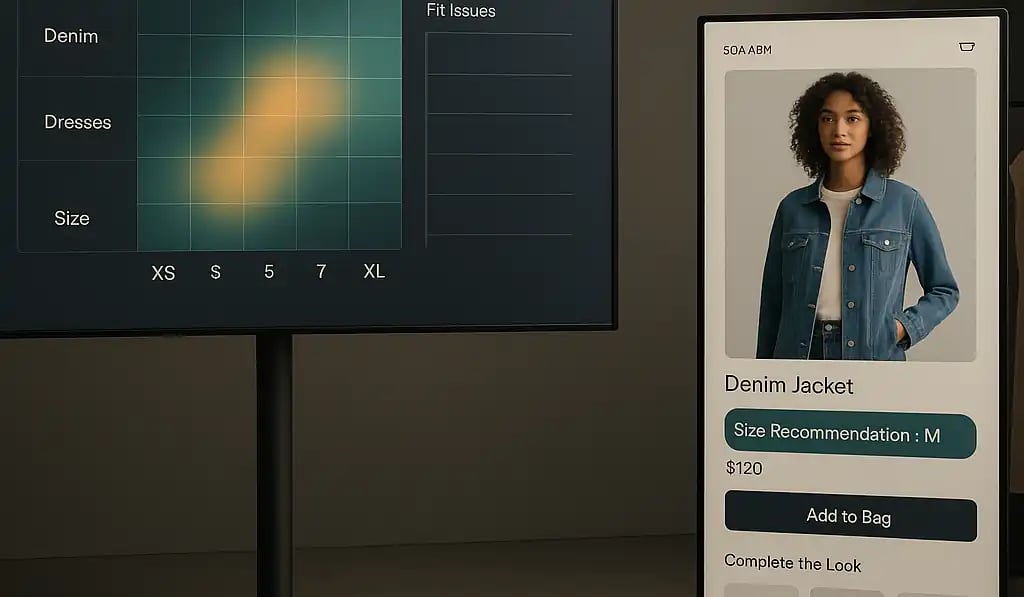
Fashion e‑commerce doesn’t suffer returns because customers don’t read size charts; it suffers because the charts aren’t grounded in how specific cuts, fabrics, and grading rules feel on real bodies. A SKU fit map flips that. Instead of static tables, you model each style’s comfort drivers—pattern block, rise/length, fabric composition and stretch %, weight, last/width for footwear—and connect them to observed outcomes. Return reasons like “too tight in thigh,” “gapes at waist,” or “heel slips” become the labels on a heatmap of risk by size.
With this lens, a PDP can confidently present one recommended size and a short reason code, cutting the urge to bracket. Industry baselines continue to show that online apparel returns are materially higher than stores and heavily driven by fit; the latest State of Fashion overview synthesizes macro pressures and why reducing returns is a profit imperative: McKinsey 2025.
Practical retailer guidance echoes the same mechanics—better product information, proactive sizing help, and post‑purchase communication; see a 2024 primer at Radial. Vendors in fit tech are also evolving; for a flavor of how the category is moving, read coverage of True Fit’s generative features aimed at fit clarity: TechCrunch. Together, these sources point to one conclusion: context‑rich fit guidance reduces multi‑size orders and keeps revenue.
Designing explainable size badges from returns data
Design the system in three pieces: better data, an explainable model, and a calm UX. Data: capture SKU‑level attributes that actually change comfort—pattern block IDs, rise/length pairs, fabric composition and stretch %, fabric weight/finish, footwear last/width.
Normalize sales for stockouts so you don’t learn from empty shelves. Ingest return reasons with granular tags and map them back to attributes. Model: emit a single, confident recommendation with a short reason code (“Most comfortable: 28 — cut runs slightly roomy”).
Borrow learning from siblings (same block or fabric) to handle cold‑start styles. Persist an audit trail (inputs, rules, rationale) so merchandisers and care teams trust outcomes. UX: place the size badge where it matters—above the fold on PDP and inline on product tiles; carry it into cart and flag redundant sizes to curb bracketing.
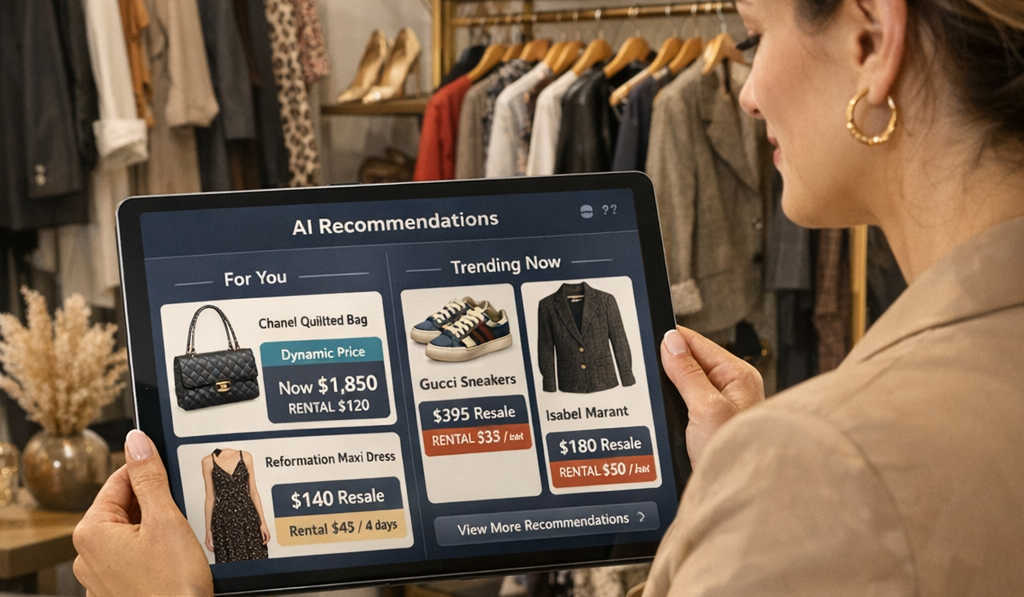
Pair fit with style to reduce “change‑of‑mind” returns: an outfit strip based on the shopper’s style profile. For macro context and customer behavior shifts, the Shopify 2025 fashion brief summarizes mobile‑first, visual discovery patterns that make inline guidance essential. To anchor the economic backdrop and volatility themes leaders are managing through, see the BoF overview.
Operating the program: KPIs, tests, and CX guardrails
Operate this like a product with a scoreboard, experiments, and guardrails. Scoreboard: return‑rate delta on influenced orders, multi‑size order share, exchange vs. refund mix, AOV and units per transaction (when you pair fit with outfit completion), and size‑related contact rate.
Experiments: start in high‑pain categories (denim, dresses, sneakers). Run randomized control at session or user level if feasible; otherwise matched cohorts with pre‑registered stop‑loss thresholds. Attribute lift at the journey node—badge viewed → fewer duplicate sizes → lower return rate—not just at campaign level.
Guardrails: set tone by segment (editorial restraint in luxury; energetic clarity in contemporary), keep accessibility strong (alt text, contrast), and maintain privacy as a performance feature—evaluate consent at activation and minimize PII in payloads.
For reference stats on online apparel return baselines and the scale of the issue, see summaries at TrueProfit and industry primers like Opensend. The aim isn’t a prettier chart—it’s confident first‑try fits, calmer CX, and margin you keep.