How AI-powered drop calendars help fashion brands plan capsules that sell through without overbuying.
Why static fashion calendars no longer work for AI-era drops
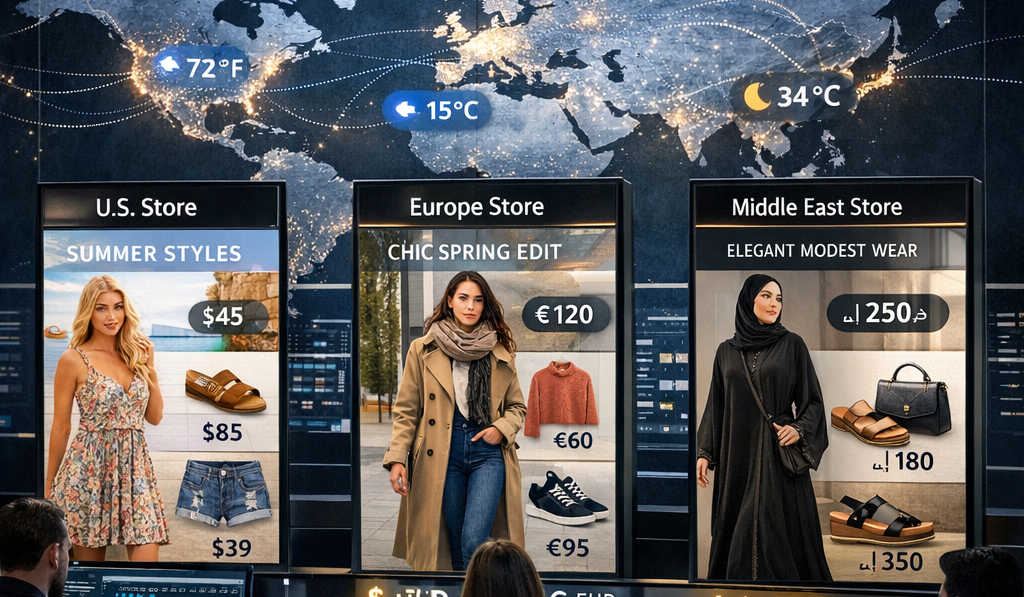
Fashion has always run on calendars: resort, spring, fall, holiday. But in 2026, those legacy rhythms are colliding with algorithmic discovery, social micro-trends, and fragmented demand across regions. A TikTok-driven sneaker micro-trend can crest and crash in weeks; climate volatility means outerwear sells out in one market while sitting in stores elsewhere; and capsule collabs now need to hit precisely to justify their marketing weight. For MapleSage’s AFL clients, this makes drop strategy—not just product—the new margin lever.
Traditional go-to-market calendars are often static and brand-centric: they reflect internal design and production timelines more than real-world demand. AI-backed drop calendars flip that hierarchy. They use live data—search, social, traffic, wishlists, waitlists, sell-through—to decide when, where, and how big to go with each capsule or drop, by channel and market. Instead of a couple of big, risky global releases, brands orchestrate a series of calibrated, AI-informed drops that feel timely, local, and emotionally on-beat.
Recent analysis from Zensar on AI-powered drop models shows how sneaker and streetwear players are already using machine learning to optimize release timing, quantities, and access mechanics, treating scarcity as a strategic tool rather than a blunt instrument Zensar. EY, meanwhile, highlights how compressing and re-phasing go-to-market calendars helps apparel brands reduce inventory risk and react faster to shifting demand EY.
For MapleSage’s AFL ICPs—Fashion CMOs, E-commerce Directors, Merchandising VPs, Fashion CTOs, and CX leaders—AI drop calendars speak to core pain points:
• Merchandisers want to protect full-price sell-through while avoiding chronic stock-outs on hero styles and sizes.
• E-commerce teams need sharper hooks to cut through social noise and make campaigns feel eventful, not generic.
• CTOs want demand signals tightly wired into PLM, planning, and allocation systems, not stuck in siloed reports.
This post explains how to design AI-first drop calendars for apparel, footwear, and luxury capsules, how to embed them into merchandising and marketing workflows, and how to measure their impact on sell-through, markdowns, and customer lifetime value across MapleSage’s four active AFL campaigns.
Designing AI-first capsule and drop calendars
Inside most AFL brands, the go-to-market calendar was designed for a slower era: two to four big collections a year, long lead times, broad global launches. Today, that calendar often works against you. Social-driven micro-trends, regional climate shifts, and fragmented channels (owned e-commerce, TikTok Shop, wholesale) demand more surgical, data-led planning. AI-driven drop calendars give merchandising, planning, and marketing a shared, dynamic view of when and where to release capsules, in what depth, and on which surfaces.
Start with the calendar spine. Rather than building from historic seasons alone, leading brands map drops to three layers of signal:
• Structural rhythms: core seasons, fashion weeks, key retail milestones (BFCM, Ramadan/Eid, Golden Week).
• Brand moments: designer stories, collabs, sustainability narratives, athlete or celebrity capsules.
• Live demand signals: search trends, social saves, wishlist spikes, waitlists, and resale pricing.
EY’s work on “accelerating GTM calendars for apparel and fashion brands” argues that compressing and re-phasing go-to-market around these signals is now essential to protect margin and relevance EY. AI takes that logic further by continuously re-scoring dates and capsules as new data arrives.
For MapleSage’s AFL ICPs, the implementation pattern looks similar whether you’re a fast fashion retailer or a luxury house:
• Plug SageRetail into PLM, PIM, analytics, and social listening tools, so it can read style, fit, climate, and performance attributes alongside demand and engagement.
• For each planned capsule or drop, have the system simulate different launch windows by region and channel: forecasted sell-through, stock-out risk on hero sizes, overlap with competing events, and likely marketing pressure required.
• Treat drops as portfolios. Rather than locking 100% of volume to a single global go-live, use AI to recommend staged waves—VIP pre-access, limited early drops in “signal” markets, then scaled releases where indicators are strongest.
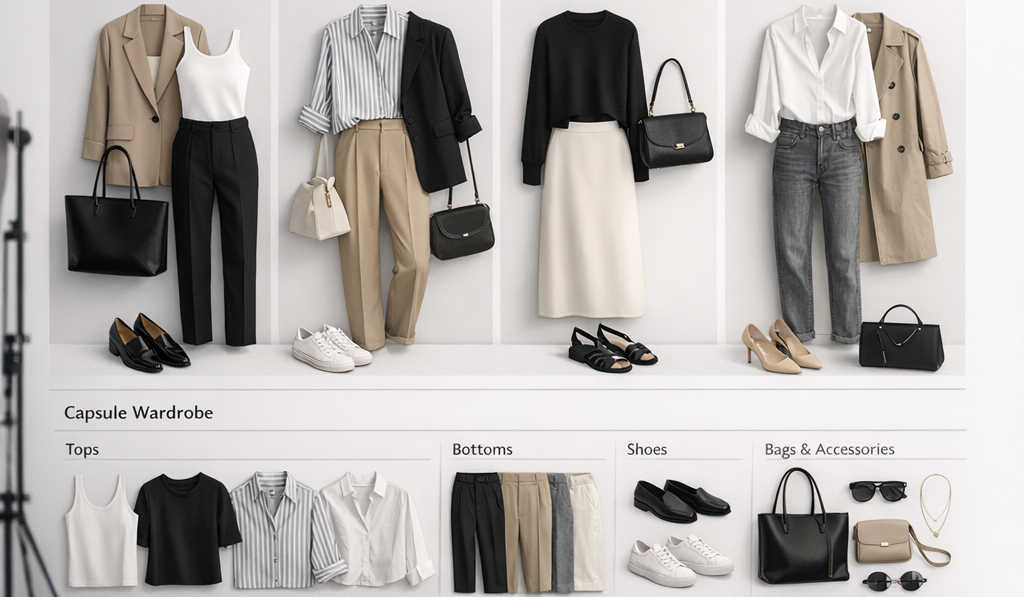
Zensar’s analysis of the “AI-powered drop model” in retail highlights how brands like Nike and Adidas already use AI to time sneaker releases, manage scarcity, and regionally tailor access based on engagement, resale activity, and local signals Zensar. The same approach can be generalized from hype sneakers to broader apparel capsules: you’re building an intelligent, fashion-specific release calendar rather than a static merchandising schedule.
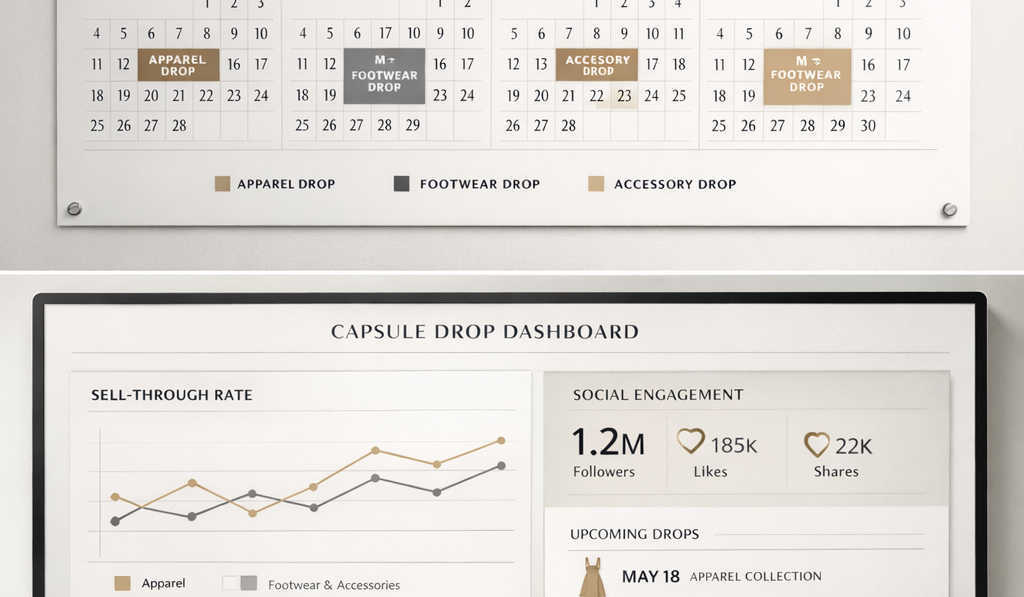
Operationally, this requires a shift from calendar as a static PDF to calendar as a living application. Merchandising, marketing, and planning teams should be able to see the same AI-backed view: which capsules are locked, which dates are in play, what trade-offs (margin vs. freshness vs. inventory risk) sit behind each recommendation. That’s where MapleSage’s orchestration strength—data unification plus explainable AI—becomes a differentiator.
Measuring drop performance and iterating with AI
The commercial power of AI drop calendars comes from iteration: treating every capsule and sneaker drop as an experiment that sharpens the next one. To get there, AFL leadership needs a scoreboard and clear governance, not just a clever visualization.
At the top level, track a handful of KPIs by capsule, region, and channel:
• Full-price sell-through at 4, 8, and 12 weeks.
• Markdown depth and timing by style and size curve.
• Missed-demand indicators: waitlists, stock-outs on key sizes, resale price gaps.
• Marketing efficiency: ROAS and CAC for drop campaigns vs. non-drop campaigns.
Research from Intelistyle on AI in fashion merchandising shows how combining trend forecasting with AI-led assortment and drop timing can reduce overbuying and help hit demand more precisely across seasons and markets Intelistyle. Similarly, BCG’s “AI-first fashion company” work argues that brands using AI to orchestrate design, merchandising, and go-to-market together are already cutting time-to-market and waste materially BCG.
For MapleSage’s AFL ICPs, the experimentation loop might look like this:
• Pilot AI-backed drop planning on one or two categories (e.g., sneakers and denim) and a few priority markets.
• Run A/B or multi-cell tests: traditional global drop vs. staggered AI-optimized waves; static seasonal calendar vs. dynamically adjusted windows.
• Use SageRetail to attribute performance back to decisions: was it the date, the capsule composition, the access mechanics, or the channel mix that moved the needle?
Crucially, guardrails must reflect brand tier and customer promise. Fast fashion and athletic brands can experiment aggressively with micro-drops and regional exclusives, but must keep sustainability and fairness in view—no endless “false scarcity” that undermines trust. Luxury brands need to balance exclusivity with inclusivity: AI can help identify which clients should see which drops when, but human judgment should govern how access is communicated and how far scarcity is pushed.
From a tech-stack perspective, the AI drop calendar should not be a parallel system. It needs clean integrations with PLM, planning, allocation, and marketing orchestration tools, so decisions flow through to buys, store allocations, and media plans without copy-paste. Articles on cross-functional localization and temporal alignment in digital fashion—such as recent research in *Humanities and Social Sciences Communications* on spatial and temporal localization in fashion e-commerce—underline how calendar, culture, and climate need to move together to create truly resonant seasonal stories Nature.
Done well, AI drop calendars become a strategic control tower for Campaign 3 (Fashion Merchandising Automation & Trend Intelligence) and Campaign 4 (Fashion E-commerce Conversion Through AI). Instead of debating dates from gut, AFL leaders can use data and AI to place smarter, more confident bets—and then refine those bets every season.